Mobility equipment
What each kind of equipment is, how Medicare handles it, and where to find suppliers near you.

 WheelchairsManual and power chairs, including complex rehab chairs fitted to one person.7,022 suppliers listed
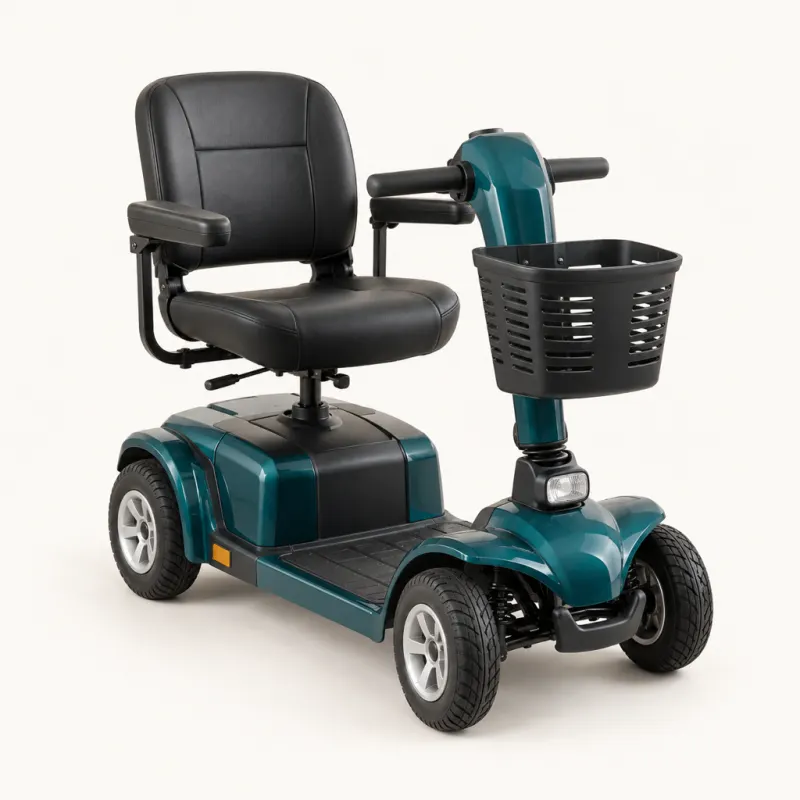 Mobility scootersPower-operated scooters with a seat and a steering tiller, for longer distances.4,659 suppliers listed
 Walkers and rollatorsFrames that support you while you walk; rollators add wheels, brakes and usually a seat.7,643 suppliers listed
Guides
- What to Ask Before Renting a WheelchairRenting a wheelchair goes smoothly when you know your measurements, what the rental includes, who fixes it, and exactly what you'll pay each month. Here are the questions to ask, and why each one matters.
- Transport Chair vs Wheelchair: The Practical DifferencesA transport chair is built to be pushed by someone else, usually on small wheels with no hand rims. A standard manual wheelchair has wheels the user can turn. Which one fits depends on who will move the chair, where, and how often.
- Renting vs Buying a Mobility ScooterRent when the need is short or uncertain, or when you need a scooter for one trip. Consider buying when the need is long-term and you know what fits your body, your home and your car. Either way, compare the full cost in writing, using your own quotes.
- Walker vs Rollator: How They Differ and What to AskA standard walker has four legs, or two front wheels and back legs, and gives steady support. A rollator rolls on wheels and usually adds hand brakes and a seat. Compare the specs, ask your clinician which type fits, and confirm what Medicare pays for before you order.
- Comparing Folding Mobility Scooters: The Specs That MatterCompare folding scooters on the numbers that decide daily use: the weight of the heaviest piece you'll lift, the folded size against your own trunk, weight capacity, how range was measured, and the battery's type and watt-hour rating if you fly.
- Questions to Ask a Mobility Equipment Repair BusinessBefore you hand over a wheelchair, scooter or walker, confirm the business works on your make and model, find out who pays (you, a warranty, Medicare or the rental supplier), and get the estimate and timeline in writing. If you rent the equipment through Medicare, repairs are the supplier's job, not yours.
- Delivery, Setup and Returns: Questions Before You OrderBefore you order mobility equipment, find out when and how it arrives, who sets it up and shows you how to use it, whether it fits through your doors, and what happens if it's damaged or wrong. A Medicare supplier has federal duties on delivery, instructions and returns; any other seller's own policy sets the terms, so read it first.